
Respondent Parent Counsel
RPC provides client-directed legal representation to the appointed parent in the dependency and neglect case.
- The parent is the client
- Advocates the parent’s lawful objectives
- Appointed through the court and ORPC
Court-appointed parent representation · Colorado
When a dependency and neglect case places your relationship with your child before the court, Respondent Parent Counsel represents you—the parent—not the county, the department or another participant.
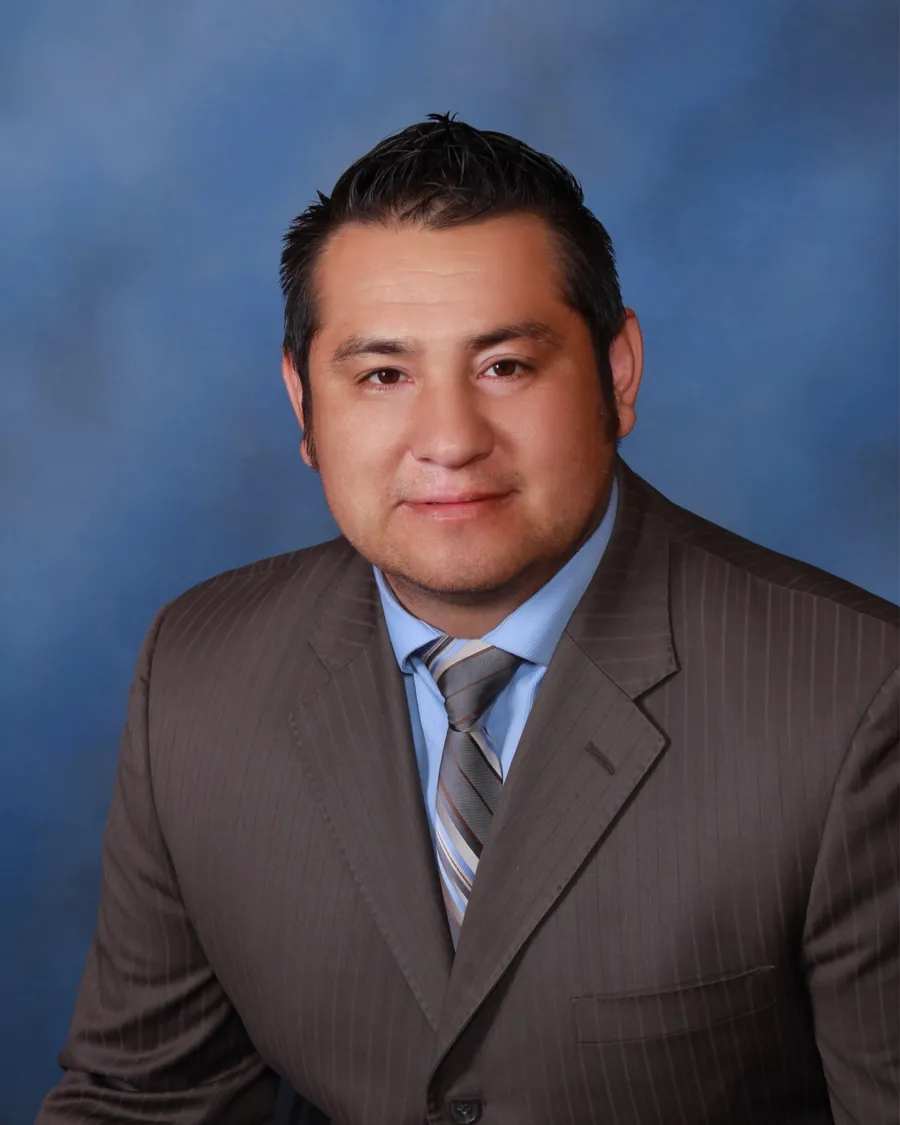
The parent has a lawyer
Respondent Parent Counsel provides client-directed legal representation to an eligible parent in a dependency and neglect case.
Colorado law provides respondent parents the right to be represented by counsel at every stage of a dependency and neglect proceeding. At the first appearance, the court must explain that right and the ability to seek appointed counsel through the Office of Respondent Parents’ Counsel when the respondent cannot financially secure counsel.
Once validly appointed, RPC owes professional duties to the parent client, including communication, confidentiality, advice and advocacy, subject to the court’s orders, governing law and the Colorado Rules of Professional Conduct.
This work is different from private divorce, custody or allocation-of-parental-responsibilities representation. It is also separate from Ike’s privately retained driver-defense practice.
Appointment safeguard: Being eligible for court-appointed counsel does not allow a parent to choose a specific RPC. The court makes the appointment through Colorado’s ORPC system.
Three different roles
The parent, child and youth may have different lawyers with different legal responsibilities. One lawyer does not represent the whole family.
RPC provides client-directed legal representation to the appointed parent in the dependency and neglect case.
A GAL is appointed to advocate for the child’s best interests. The GAL is not the parent’s attorney and does not take direction from the parent.
CFY provides client-directed representation to the youth. Colorado generally provides CFY to youth age 12 or older in dependency and neglect cases, subject to governing law.
A youth age 12 or older with diminished capacity may have both a GAL and separate CFY under Colorado law. The court’s appointment order controls the role in a particular case.
What RPC representation can involve
The exact work depends on the case, the parent’s objectives, the evidence and the court’s orders.
Discuss allegations, hearings, deadlines, possible outcomes and the parent’s rights and responsibilities.
Analyze petitions, reports, court orders, disclosures and other material that may affect the parent’s position.
Develop lawful positions, present evidence, examine witnesses and respond to requests made by other parties.
Advise the parent about proposed services, treatment-plan requirements, progress and barriers to participation.
Communicate the parent’s objectives and concerns while holding the petitioner to its legal burden.
When available and authorized, ORPC interdisciplinary resources may include investigators, social workers or parent advocates.
How appointment works
This overview is general. The sequence and timing may differ, and the court’s notices and orders control.
A dependency and neglect matter begins and the respondent receives court information.
The court explains important rights, including the right to counsel.
The respondent may seek court-appointed counsel if unable to financially secure counsel.
The court appoints qualified RPC through the ORPC appointment system.
Appointed counsel communicates with the parent and prepares for the case.
Do not wait for a website response to address a court date. Read the summons and orders, attend every scheduled hearing unless the court excuses you, and follow the court’s instructions for requesting counsel.
Choose the correct path
The appropriate next step depends on whether a court has already appointed Ike to the case.
Contact the office using the information in your appointment notice. For an efficient first conversation, have the basic case information available.
Protect confidentiality: Do not put a child’s name, case records, medical or school information, or detailed allegations into the public website form. Ask the office how to provide sensitive material securely.
Raise the request with the court at the first appearance and follow the court’s eligibility instructions. A website inquiry cannot create the appointment or select a particular lawyer.
Ike Lucero, Jr., P.C. Attorney & Counselor at Law cannot promise an appointment, influence the court’s assignment or provide a status update about an appointment that has not been made.
Frequently asked questions
General information drawn from official Colorado sources. The answer in a particular case depends on the facts and court orders.
Respondent Parent Counsel, often called RPC, is an attorney appointed to represent an eligible parent, guardian or legal custodian in a Colorado dependency and neglect case. The parent is the RPC’s client.
No. RPC assignments occur through the court and Colorado’s Office of Respondent Parents’ Counsel appointment system. Calling or submitting the website form does not create an appointment or guarantee that Ike will be assigned.
RPC represents the appointed parent client. RPC does not represent the child, the county department, the GAL, CFY, another parent or the entire family.
No. RPC represents the parent. A Guardian ad Litem advocates for a child’s best interests. Counsel for Youth provides client-directed representation to the youth under Colorado law and the court’s appointment order.
Colorado law requires the court at a respondent’s first appearance to explain the right to counsel and the right to seek appointed counsel through ORPC when the respondent cannot financially secure counsel. Eligibility and appointment are determined through the court process.
No. A court-appointed attorney-client relationship begins only after a valid court appointment. General website interaction, a telephone call or a form submission does not create an appointment or attorney-client relationship.
Official Colorado sources
These links lead to state statutes, court directives and parent resources—not third-party summaries.
Reviewed August 1, 2026. Laws, directives and online resources can change. The official text and the court’s orders control.
Continue learning

Existing court appointment
Call the Pueblo office with your case number and next hearing date. Consultations and office visits are by appointment only.
Important: Website use, a telephone call or a form submission does not create an attorney-client relationship or court appointment. Court-appointed representation begins only after a valid appointment. In a privately retained matter, a relationship begins only after firm acceptance, a signed written fee agreement, and payment and acceptance of the required retainer. Do not send confidential child or case information through the public form.
No Attorney-Client Relationship. Using this website, downloading materials, calling, leaving a voicemail, emailing, texting, or submitting a form does not create an attorney-client relationship with Ike Lucero, Jr. or Ike Lucero, Jr., P.C. Attorney & Counselor at Law and does not make Ike Lucero, Jr. your lawyer. For a privately retained matter, representation begins only after you and the Law Office sign a written engagement agreement and the Law Office receives and accepts the required retainer or other initial fee described in that agreement. Court-appointed work begins only as established by a valid court or agency appointment and applicable law or program rules. Do not send confidential, sensitive, or time-critical information before the office confirms how to provide it. Website information is general, is not legal advice, and no outcome is guaranteed. Read the Full Disclaimer.